
Roses, roses, roses! Our gardens are awash in a sea of vibrant colors and intoxicating scents as our roses burst into bloom from mid-May. With over 200 varieties gracing our 14-acre estate, there’s a rose for every taste and style, whether you prefer the classic elegance of hybrid teas or the romantic charm of rambling climbers.
Our roses are scattered throughout the gardens, but you’ll find the most abundant collections in the Walled Garden and the Oriental Garden. Wander through these enchanting spaces and discover the unique beauty of each rose variety.
When is the best time to plant roses?
While our roses are currently at their peak, it’s never too early to start planning for your own rose garden. At Houghton Lodge, we plant our roses in autumn/winter as bare-root plants. This is the ideal time for planting, as it allows the roses to establish strong roots before the growing season begins.
- Bare-Root Roses: These can be planted from October to April, but avoid planting if the ground is frozen or waterlogged.
- Potted Roses: If you prefer potted roses, they can be planted year-round, although they may be a bit more expensive.
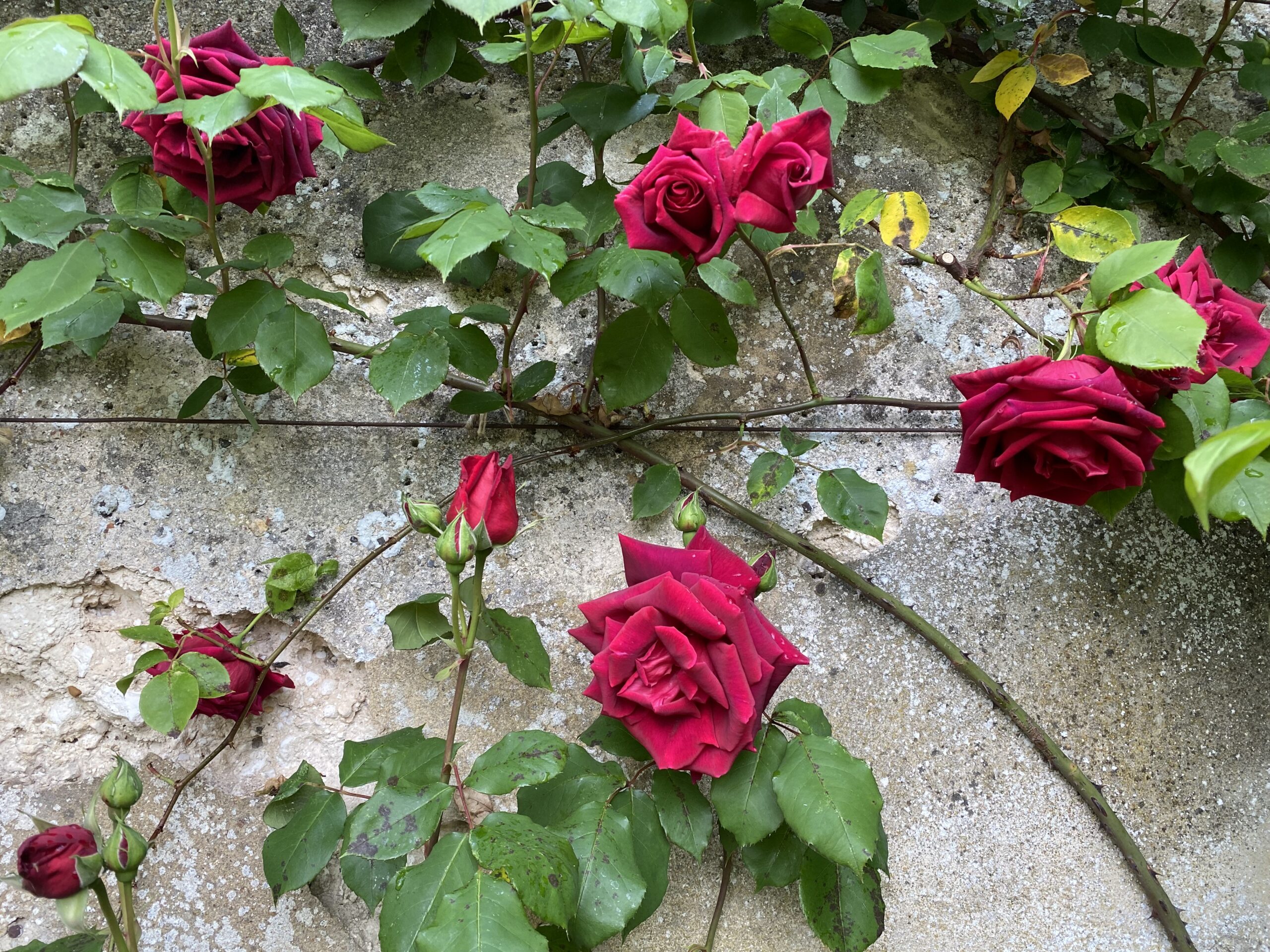
Low maintenance roses
Roses have a reputation for being high-maintenance, but many varieties are surprisingly easy to grow, especially if you choose shrub roses that require less pruning. Some of our favorite easy-care roses at Houghton Lodge include:
- Chandos Beauty: This fragrant bush rose boasts beautiful apricot/peach blooms and can be found in our Walled Garden.
- Korresia: This small, repeat-flowering shrub produces vibrant yellow flowers and thrives in our Walled Garden.
- Boscobel: A charming shrub rose with tclusters of pink, lightly fragrant flowers. It’s a reliable bloomer that requires minimal care, making it a perfect choice for novice gardeners. You can find this in front of the Apple Rooms.
How to grow roses from cuttings:
Propagating roses from cuttings is a rewarding way to expand your collection and share the love of these beautiful flowers. Here’s a simple guide:
- Timing: Rose cuttings can be taken from May through December, but spring/early summer is ideal for faster root development.
- Selecting a Cutting: Choose a healthy, pencil-sized stem of this year’s growth, just below a faded flower. This would mean taking ‘softwood cuttings’.
- Preparing the Cutting: The cutting should be 25-30cm long, cut above a bud at the top and below a bud at the base. Leave one leaf at the top and remove all others.
- Planting: Dip the base in rooting hormone (optional) and insert the cutting into a pot of gritty compost.
- Care: Water well and keep in a shaded location. By the following summer, you should have new roots!
Tips for the perfect rose garden:
- Location: Choose a sunny spot with well-draining soil.
- Soil Preparation: Amend the soil with organic matter like compost or manure.
- Watering: Water deeply and regularly, especially during dry periods.
- Fertilising: Feed roses with a balanced fertiliser in spring and midsummer.
- Pruning: Prune in late winter or early spring to remove dead wood and encourage new growth.

How to avoid blacks spot on roses
We treat our plants without chemicals and with so many roses, we tend to leave them to it each Summer… However, here is a tip for you at home to avoid Black Spot:
Blackspot is a fungus that travels very quickly through your roses, leaving (non-surprisingly) black spots across your leaves. To keep you your leaves green and glossy, spray with a fungicide when the leaves are in bud and again when they have opened in mid-spring. If you find affected leaves, pick them off and dispose of them.
While we embrace a chemical-free approach to gardening at Houghton Lodge, and an abundance of roses often means a hands-off approach during the summer. However, we understand that black spot can be a concern for home gardeners. This tenacious fungus can quickly spread through your roses, leaving unsightly black spots on the foliage. To keep your rose leaves vibrant and healthy, consider applying a fungicide as a preventative measure when the leaves are budding and again after they open in mid-spring. If you notice any affected leaves, promptly remove and dispose of them to prevent further spread.
A Hampshire garden of roses
We hope this guide has inspired you to embrace the beauty and joy of roses. Whether you’re a seasoned rosarian or a beginner, there’s a rose out there for you. Visit us at Houghton Lodge to see our stunning collection and gather inspiration for your own garden. And don’t forget to share your rose-growing experiences with us on social media!
Happy gardening! Cat, Undergardener @cat.kin_